
With Qt for MCUs
since day one.
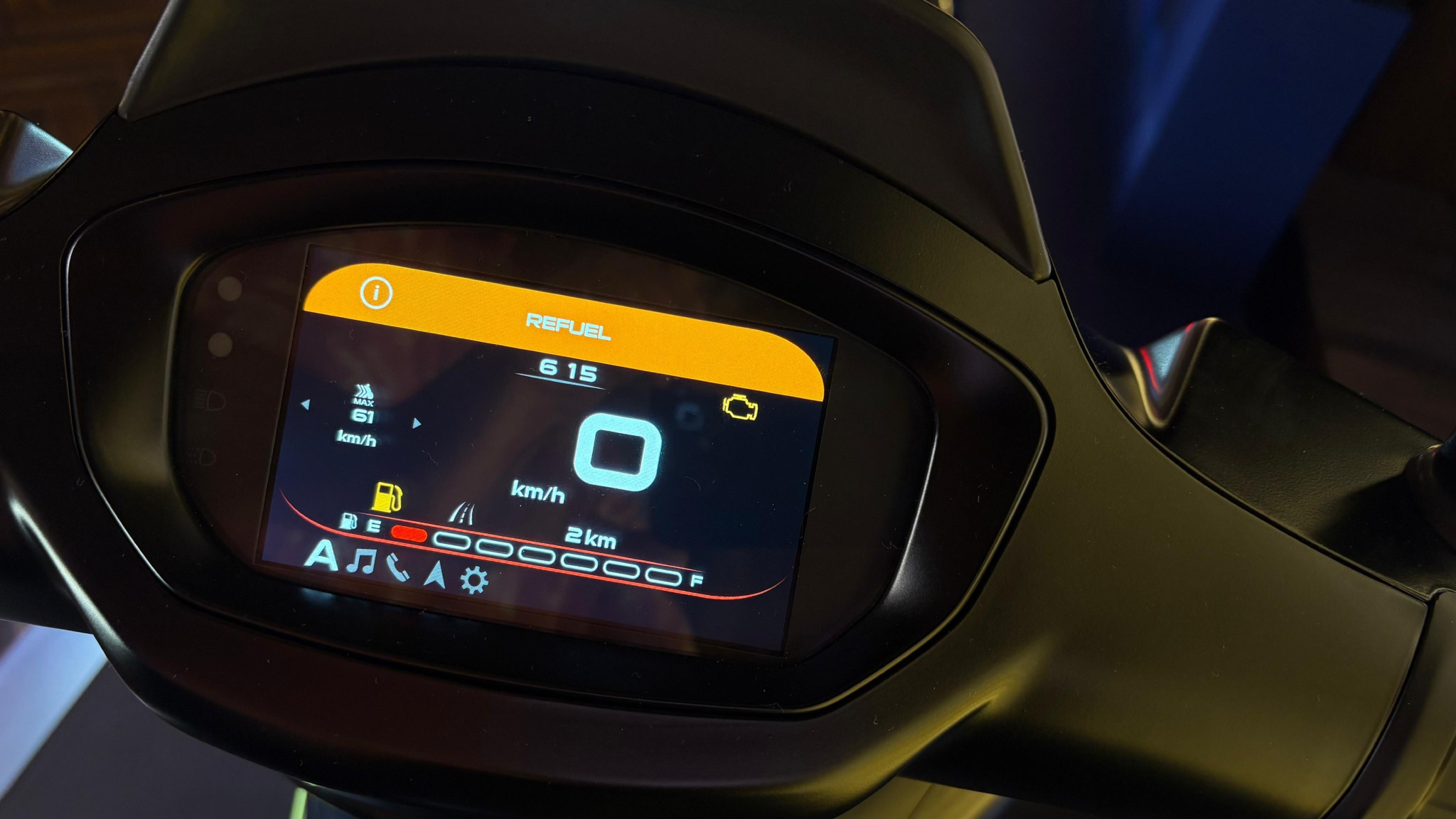
Crossware has been part of the Qt for MCUs story from its earliest days — developing the first demonstrators, contributing to the product's R&D, running a dedicated QA programme, co-developing the Eclipse cluster showcase with Qt and Infineon, and shipping more than ten automotive products into SOP. Qt's preferred partner for MCU projects.
A partnership built from the very beginning of the product.
Most companies that work with Qt for MCUs start with the release documentation. Crossware started before there was documentation — helping build what became the product. That history shapes every engagement.
First demonstrators
Crossware developed the earliest demonstrators on Qt for MCUs — working directly with the framework before it reached its first public release, helping validate the product on target embedded hardware.
R&D contribution to Qt for MCUs
Crossware engineers worked inside the Qt for MCUs product team — contributing to platform development and the hardware bring-up work that underpins the framework's MCU support.
QA for Qt for MCUs across multiple releases
A dedicated Crossware QA team has validated Qt for MCUs across its releases — running regression, sanity, smoke and hardware-in-the-loop testing on physical MCU hardware as a standard part of every release cycle.
Co-development with Qt and Infineon
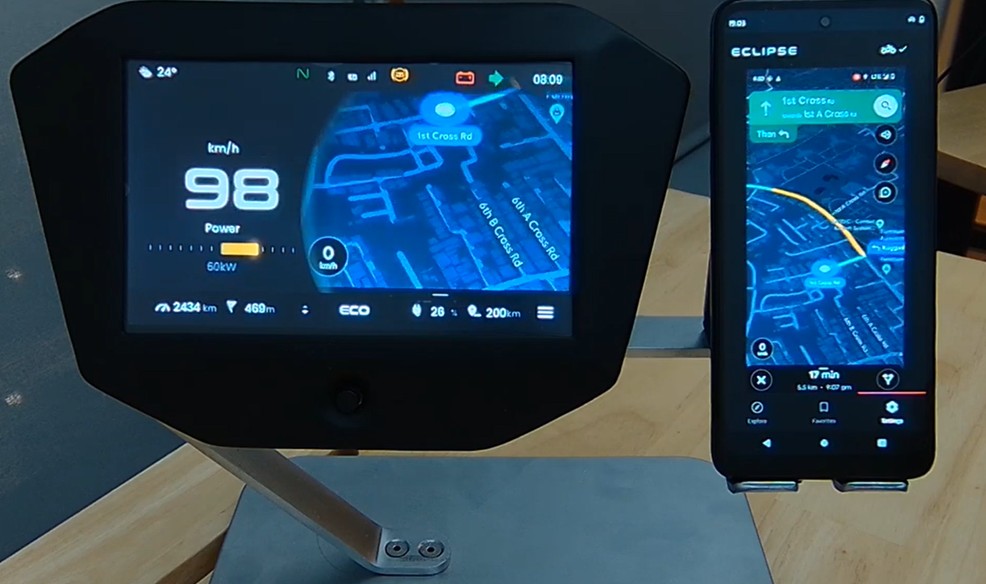
Crossware co-developed the Eclipse cluster showcase jointly with Qt Group and Infineon — a high-end demonstration of advanced 2D cluster capabilities including map streaming on Infineon Traveo T2G hardware.
Preferred partner for Qt MCU projects
Crossware is now Qt's preferred partner for all MCU customer projects — meaning Qt Group recommends and involves Crossware when its customers need Qt for MCUs delivery expertise.
Three distinct streams of Qt for MCUs engagement.
Qt Group R&D & product
Contributing to the Qt for MCUs product itself — platform development, hardware bring-up and a dedicated QA programme across releases.
- MCU platform development and bring-up
- Dedicated QA team across release cycles
- Hardware-in-the-loop testing on STM32, NXP, Renesas and Traveo
- Eclipse showcase — jointly developed with Qt and Infineon
- Joint webinars and marketing activities with Qt Group
Qt Group customer delivery
Supporting Qt Group's MCU customers directly — Qt brings Crossware in when its own customers need Qt for MCUs delivery capability.
- Delivery support for Qt Group's MCU customer base
- On-site and remote engagement alongside Qt teams
- Application development, platform bring-up and integration
- Technical support through the customer's Qt for MCUs adoption
Crossware automotive customers
Independent delivery for Crossware's own automotive customers — building Qt for MCUs products that have reached series production.
- 10+ automotive products in SOP on Qt for MCUs
- Instrument clusters across passenger vehicle, two-wheeler and off-highway
- Full product delivery: UI design, QML development, BSP, validation
- Qt 4 / Qt 5 to Qt for MCUs migration for existing customers
A jointly built showcase for what Qt for MCUs can do at the high end.
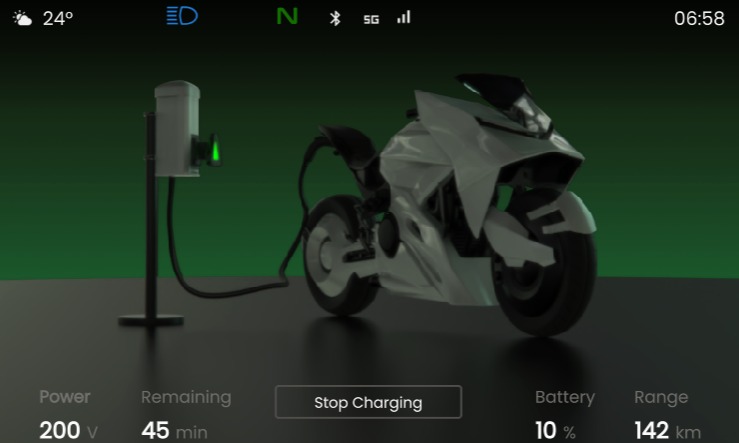
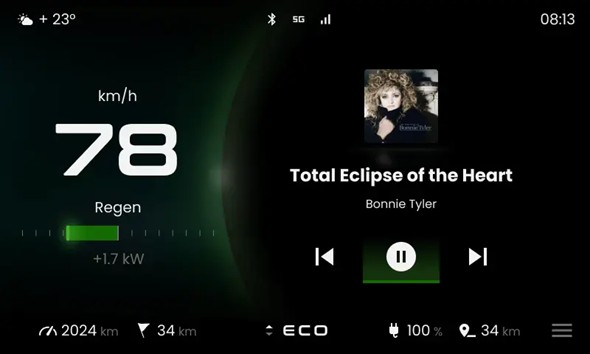
Eclipse is a high-end cluster demonstration co-developed by Crossware, Qt Group and Infineon — built to show the advanced 2D capabilities of Qt for MCUs on Infineon's Traveo T2G platform. The showcase demonstrates live map streaming on an MCU cluster display, pushing the boundaries of what Qt for MCUs can render on constrained silicon.
Eclipse is shown by Qt Group and Infineon at major automotive exhibitions and used as the reference showcase for advanced Qt for MCUs cluster implementations.
Qt for MCUs in production — the projects behind the numbers.
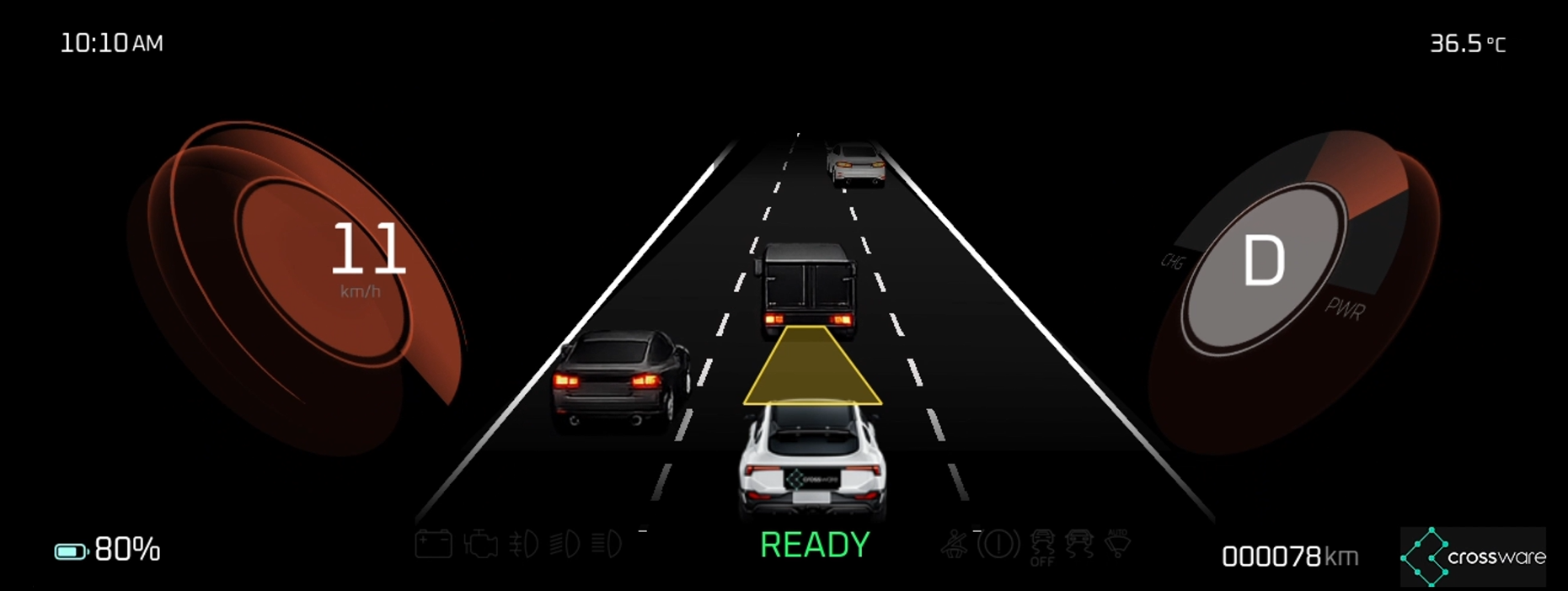
Passenger car ADAS demonstrator
Advanced ADAS visualisation — forward collision warning, lane detection and target vehicle tracking — within 4MB of VRAM on Traveo T2G. No external GPU, no Linux.
Project Eclipse — map streaming cluster
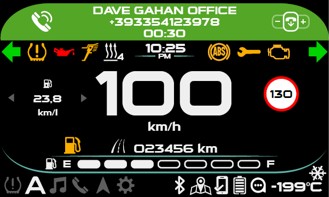
Co-developed with Qt Group and Infineon. Live map streaming, media playback and power metrics on a two-wheeler cluster. The companion Android app streams navigation to the MCU display in real time.
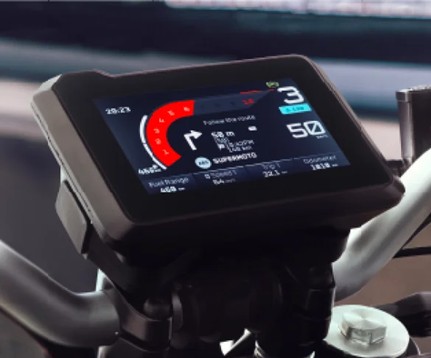
Motorcycle cluster — Renesas RH850
High-performance motorcycle HMI with navigation on Renesas RH850. Engineering focus on rendering performance and flash size — production-grade cluster within tight MCU constraints.
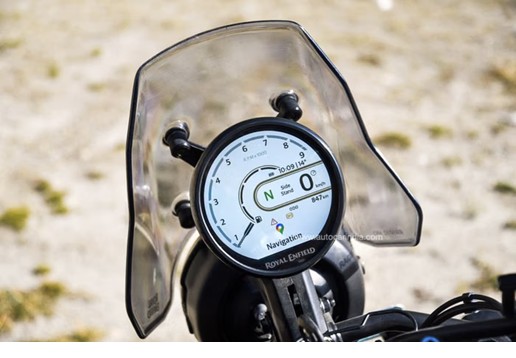
Motorcycle cluster — NXP RT1176
Motorcycle cluster demo on NXP RT1176 with deep performance optimisations. Navigation, mode switching and real-time data — maximising frame rate within the dual-core Cortex-M7/M4 architecture.
Platform to application to release — the full Qt for MCUs delivery.
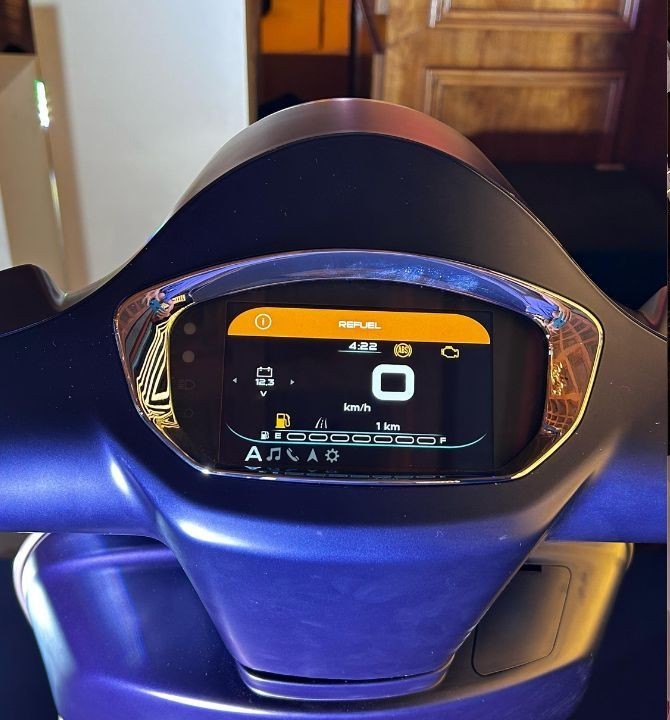
Qt for MCUs porting onto any custom hardware and RTOS
- Infineon Traveo T2G (CYT3DL, CYT4DN)
- NXP i.MX RT600 & RT1170 / RT1176
- Renesas RH850 & R-Car
- STM32, Axell AG903, Nuvoton, ESP32-S4
- FreeRTOS, Zephyr, µC3, bare-metal
- Single / dual camera integration
- Map tiles storage middleware
- Image decoder (JPEG)
- Custom memory allocators
Rich embedded UI built for MCU constraints
- Advanced animations and transitions
- Map integration and tile rendering
- Camera overlays on cluster display
- CAN bus and SOME/IP data integration
- VRAM footprint optimisation
- Frame-rate optimisation and profiling
- Flash memory build size reduction
- Font subsetting and image compression
Manual and automated testing on real hardware
- Hardware-in-the-loop test execution
- CAN simulation and vehicle signal testing
- Frame rate, CPU load and frame load measurements
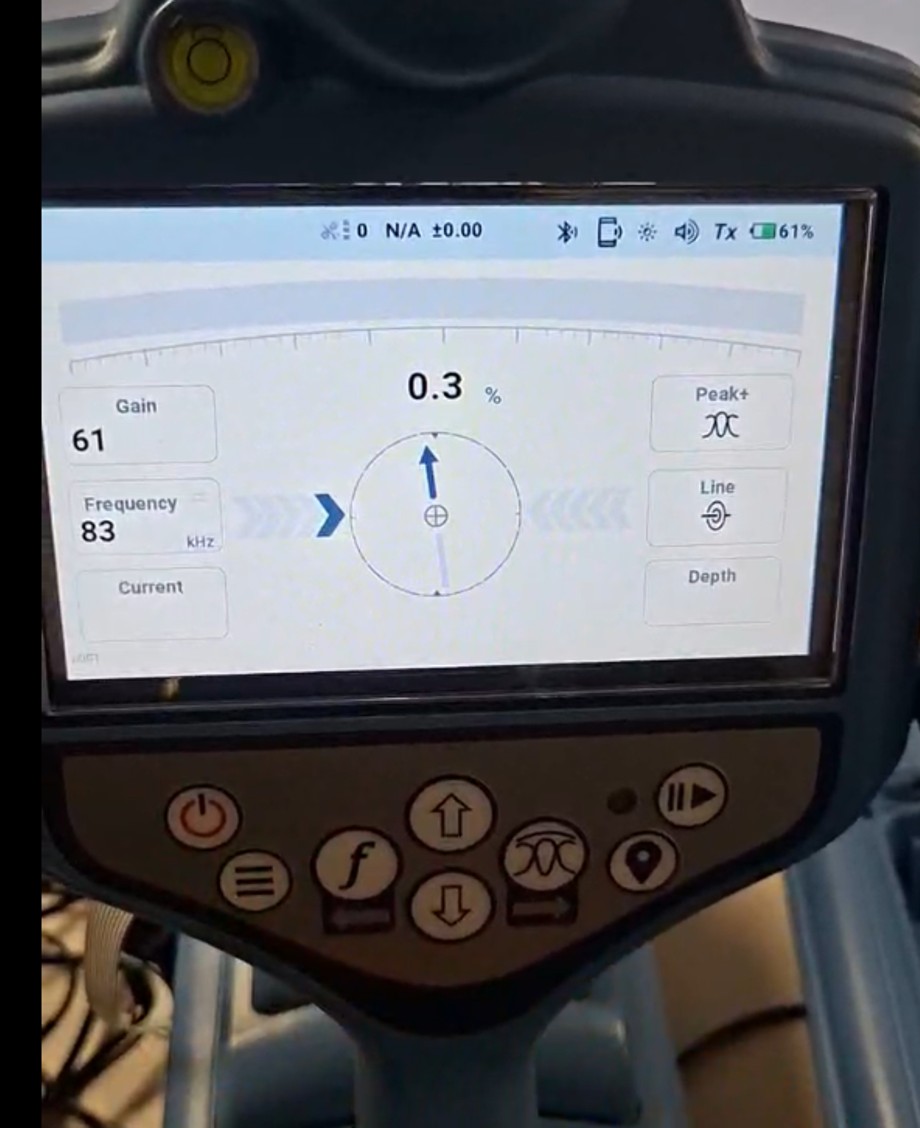
- Squish-based GUI automation for QUL targets
- Regression and release validation
- TestRail reporting and JIRA defect tracking
Every layer of a Qt for MCUs delivery.
QML application development
Qt Quick / QML UI development for embedded cluster and HMI displays — animations, data binding, custom components and performance-optimised rendering for MCU memory and processing constraints.
Hardware platform bring-up
Qt for MCUs platform bring-up on new MCU hardware — toolchain configuration, CMake setup, display driver integration and first render validation on target silicon.
2D GPU acceleration
Integration and optimisation of hardware 2D GPU accelerators for Qt for MCUs rendering — enabling smooth animations, map rendering and complex UI transitions within MCU memory budgets.
Memory & build optimisation
Reducing QUL runtime and application footprint to fit within flash and RAM constraints — Qt module selection, font subsetting, image compression and link-time optimisation for production builds.
Connectivity integration
CAN bus, SOME/IP and middleware integration alongside the Qt for MCUs HMI — bringing real vehicle data, system state and external signals into the cluster or instrument display.
Validation & release testing
Hardware-in-the-loop test execution, Squish-based GUI automation for QUL targets, regression testing across releases and structured test reporting through TestRail and Test Centre.
Qt for MCUs on the hardware it ships on.
Dual Cortex-M7 with 2D GPU — primary Crossware MCU cluster platform. Eclipse showcase hardware.
Dual Cortex-M7/M4 crossover MCU — Qt for MCUs HMI with 2D GPU acceleration.
Automotive-grade MCU platform for cluster and body control Qt for MCUs integration.
STM32 series — resource-optimised Qt for MCUs implementations for cost-sensitive products.
The partner Qt recommends
for MCU projects.
Whether you are starting a new Qt for MCUs product, migrating an existing cluster to Qt for MCUs, or need help getting Qt for MCUs working on your hardware — Crossware is Qt's preferred delivery partner for MCU projects.